
Introduction
Thai Tea Custard Melon Pan is a fusion bakery creation that combines the Japanese melon pan’s crisp cookie-like crust with the bold, aromatic flavors of Thai milk tea and a creamy custard filling. It blends two food cultures—Japanese street bakeries and Thai tea culture—into a single indulgent treat that is both visually appealing and richly flavored.
Origin
Melon pan originated in Japan as a sweet bread topped with a thin cookie dough layer that bakes into a crackly crust. Thai milk tea, on the other hand, is a popular drink from Thailand made with strongly brewed tea, spices, and sweetened condensed milk. The fusion of these two elements emerged in modern artisanal bakeries influenced by global dessert trends, especially in Southeast Asia and urban café culture worldwide.
Cultural Significance
This dessert reflects modern culinary globalization, where traditional recipes are reimagined with cross-cultural influences. It represents creativity in baking and the growing popularity of Asian fusion desserts. The use of Thai tea highlights Southeast Asian flavor identity, while the melon pan base preserves Japanese baking tradition.
Ingredients Quantity
Dough (Bread Base)
- Bread flour: 250 g
- Sugar: 40 g
- Milk: 120 ml
- Egg: 1 medium
- Instant yeast: 5 g
- Butter: 30 g
- Salt: 3 g
Cookie Crust
- Butter: 60 g (softened)
- Sugar: 60 g
- Egg: 1
- All-purpose flour: 150 g
- Baking powder: 2 g
- Thai tea powder or strongly brewed Thai tea reduction: 1–2 tbsp
Thai Tea Custard
- Milk: 250 ml
- Egg yolks: 2
- Sugar: 50 g
- Cornstarch: 20 g
- Thai tea leaves or concentrate: 2 tbsp
- Butter: 10 g
Optional Additions
- Vanilla extract for custard depth
- Sweetened condensed milk for richer Thai tea flavor
- Orange zest for citrus aroma
- Dark chocolate chips inside custard for contrast
- Coconut milk replacing part of the milk for tropical richness
Tips for Success
- Ensure the dough is properly kneaded for a soft and airy bread texture.
- Chill the cookie dough before wrapping for easier shaping.
- Do not overbake; melon pan should stay soft inside with a crisp crust.
- Strain Thai tea custard thoroughly for a smooth finish.
- Let the custard cool completely before filling to avoid soggy bread.
Instructions
Step 1: Prepare the Bread Dough
Mix flour, sugar, yeast, salt, milk, egg, and knead until smooth. Add butter and continue kneading until elastic. Let it rise for 1–2 hours until doubled.
Step 2: Make the Custard
Heat milk with Thai tea until infused. Whisk egg yolks, sugar, and cornstarch. Slowly combine with warm milk, cook until thick, then finish with butter. Cool completely.
Step 3: Prepare Cookie Dough
Cream butter and sugar, add egg, then mix in flour, baking powder, and Thai tea flavoring. Chill the dough.
Step 4: Assemble
Divide bread dough into portions, fill with custard, and seal. Flatten cookie dough and wrap over each dough ball.
Step 5: Bake
Bake at 170–180°C for 15–20 minutes until golden and cracked on top.
Description
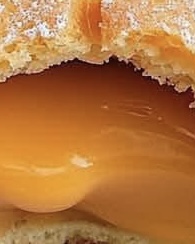
Thai Tea Custard Melon Pan is a soft, pillowy bread encased in a crisp, cookie-like shell infused with Thai tea aroma. Inside, a silky custard filling delivers creamy sweetness with deep tea notes, creating a contrast of textures—crunchy exterior, fluffy bread, and smooth filling.
Nutritional Information (Approximate per piece)
- Calories: 320–420 kcal
- Carbohydrates: 45–55 g
- Fat: 12–18 g
- Protein: 6–8 g
- Sugar: 18–28 g
- Fiber: 1–2 g
Values vary depending on filling amount and ingredient substitutions.
Conclusion
This dessert is a balance of comfort baking and bold flavor innovation. It showcases how traditional techniques can be elevated with global influences while still remaining familiar and satisfying.
Recommendation
Best enjoyed fresh out of the oven or slightly warmed. It pairs well with unsweetened tea or black coffee to balance the sweetness. It is ideal for café menus, special occasions, or creative home baking experiments.
Embracing Healthful Indulgence
While Thai Tea Custard Melon Pan is an indulgent treat, it can be enjoyed mindfully by focusing on portion control and quality ingredients. Using less sugar in the custard or substituting part of the flour with whole wheat flour can slightly improve its nutritional profile without compromising its character. The goal is not restriction, but balanced enjoyment of flavorful, handcrafted food.