
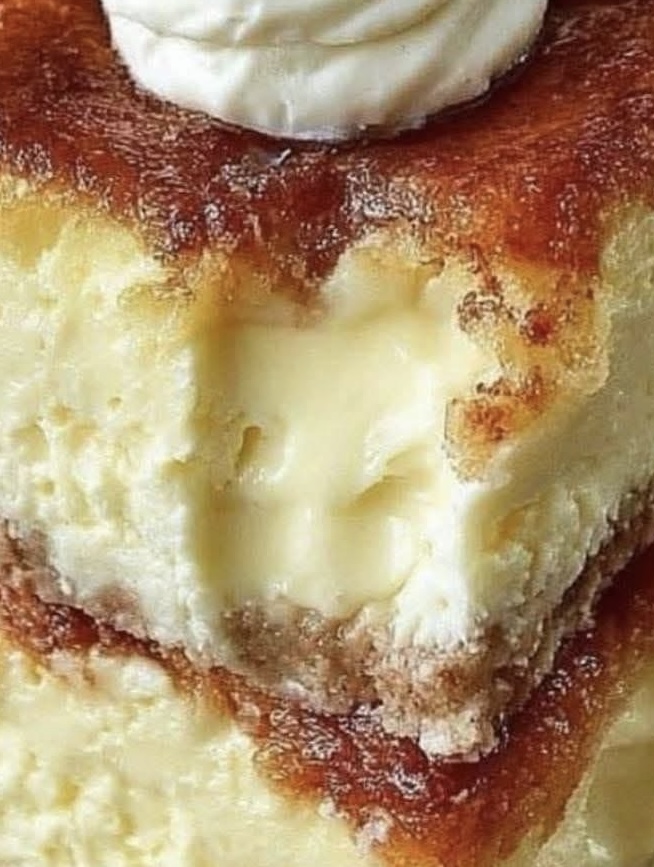
Baked Cream Cheese Cake
Introduction
Baked Cream Cheese Cake is a rich, smooth, and creamy dessert loved for its delicate texture and comforting flavor. Known for its velvety filling and buttery crust, this cake is perfect for celebrations, family gatherings, or simply enjoying with coffee or tea. Its balanced sweetness and luxurious creaminess make it one of the most timeless desserts around the world.
Origin
Cream cheese cake traces its roots back to ancient cheesecake traditions from Greece, where early versions were served to athletes during the first Olympic games. The modern baked cream cheese version became especially popular in the United States, particularly in New York, where dense and creamy cheesecakes gained worldwide fame. Over time, bakers across many cultures adapted the recipe with local ingredients and flavors.
Cultural Significance
Cheesecake has become a symbol of comfort, celebration, and hospitality in many countries. It is commonly served during birthdays, holidays, weddings, and festive occasions. In modern baking culture, baked cream cheese cake represents indulgence blended with creativity, as bakers often personalize it with fruits, chocolate, caramel, or nuts.
Ingredients Quantity
For the Crust
- 2 cups crushed digestive biscuits or graham crackers
- 1/2 cup melted butter
- 2 tablespoons sugar
For the Filling
- 500 g cream cheese, softened
- 1 cup sugar
- 3 large eggs
- 1 cup sour cream
- 1 teaspoon vanilla extract
- 2 tablespoons all-purpose flour
- 1 tablespoon lemon juice
Optional Additions
- Fresh strawberries or blueberries
- Chocolate chips
- Caramel drizzle
- Crushed nuts
- Lemon zest
- Cinnamon
- Berry compote
- Whipped cream topping
Tips for Success
- Use room-temperature ingredients for a smoother batter.
- Avoid overmixing to prevent cracks.
- Bake the cake in a water bath for even cooking.
- Let the cheesecake cool gradually to avoid sinking.
- Chill for at least 4 hours before serving for the best texture.
- Use full-fat cream cheese for richer flavor.
Instructions
Step 1: Prepare the Crust
- Preheat oven to 160°C (320°F).
- Mix crushed biscuits, melted butter, and sugar.
- Press the mixture firmly into the bottom of a springform pan.
- Bake for 10 minutes, then let cool.
Step 2: Make the Filling
- Beat cream cheese until smooth.
- Add sugar and mix well.
- Add eggs one at a time.
- Mix in sour cream, vanilla, flour, and lemon juice until combined.
Step 3: Bake
- Pour filling over the crust.
- Place the pan in a larger tray filled with hot water.
- Bake for 50–60 minutes until the center is slightly jiggly.
Step 4: Cool and Chill
- Turn off the oven and leave the door slightly open for 1 hour.
- Remove and cool completely.
- Refrigerate for at least 4 hours or overnight.
Description
This baked cream cheese cake features a buttery biscuit base topped with a silky, creamy filling that melts in the mouth. The flavor is mildly tangy, perfectly sweet, and incredibly satisfying. Its elegant appearance and luxurious texture make it suitable for both casual desserts and special occasions.
Nutritional Information
Approximate values per slice:
- Calories: 420
- Protein: 7 g
- Carbohydrates: 30 g
- Fat: 30 g
- Saturated Fat: 18 g
- Sugar: 22 g
- Calcium: 10% Daily Value
Nutritional values may vary depending on ingredients and portion size.
Conclusion
Baked Cream Cheese Cake is a classic dessert that combines simplicity with elegance. Its creamy texture, rich taste, and versatile toppings make it a favorite among dessert lovers of all ages.
Recommendation
For the best experience:
- Serve chilled
- Pair with fresh fruit or coffee
- Use high-quality cream cheese
- Prepare a day ahead for enhanced flavor and texture
Embracing Healthful Indulgence
While cream cheese cake is undeniably indulgent, moderation and thoughtful ingredient choices can make it part of a balanced lifestyle. You can reduce sugar, use lighter cream cheese, or add fresh fruit toppings for a healthier twist without sacrificing flavor. Enjoying homemade desserts mindfully allows you to appreciate both taste and nourishment together.